Why Freeze Eggs
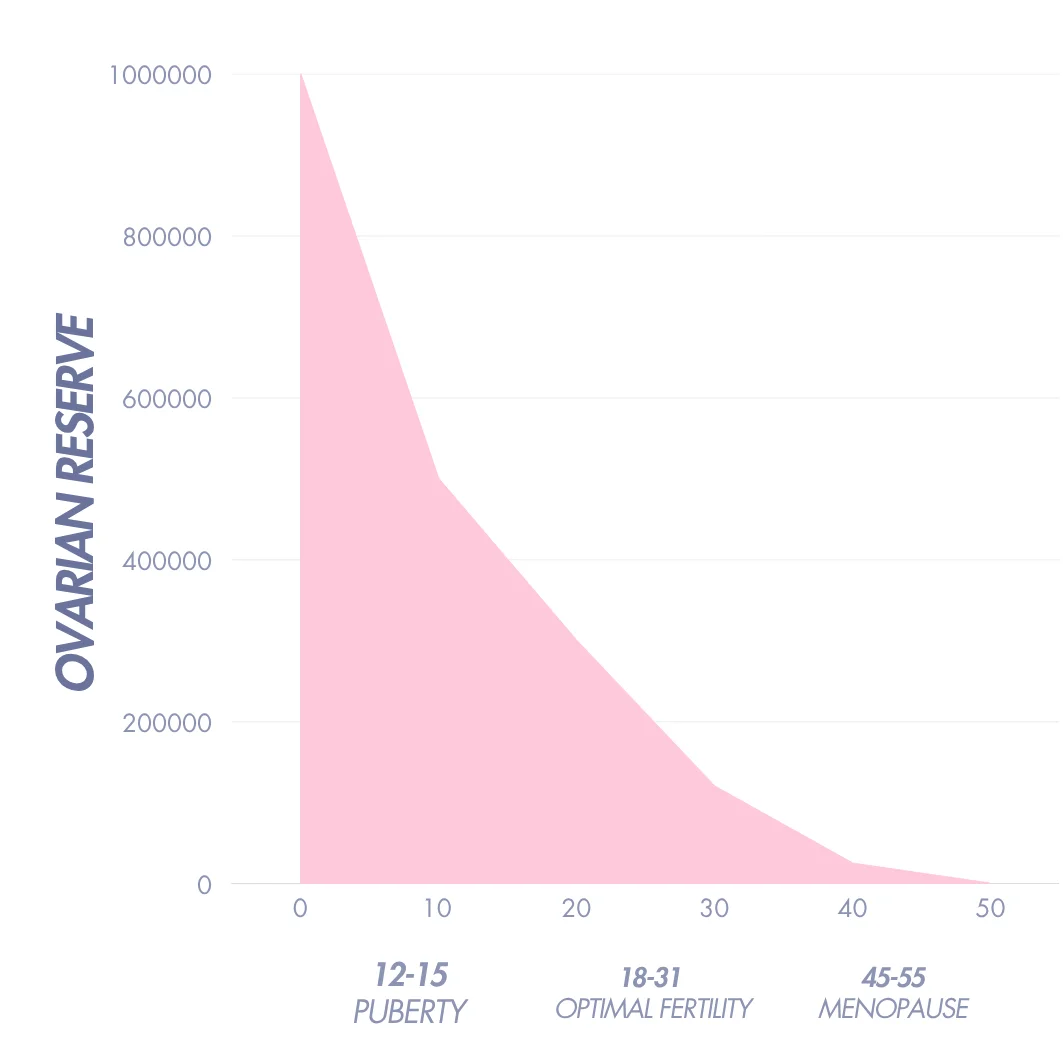
A Woman's Egg Count Declines Throughout Life
At birth, a woman usually has about 1 million eggs.
At age 25, a woman has only about 300,000 eggs. At age 35 the ovarian reserve begins to SIGNIFICANTLY DECREASE.
Can a woman find out how many eggs she has left?
AMH level (Anti-Mullerian hormone) is an indicator of a woman's ovarian reserve. It is an examination that can be done from blood at any time, even when you are taking hormonal contraception.
It is considered a marker of the highest validity and a significant indicator of ovarian aging. A decreased AMH value is an indication for egg freezing to preserve fertility.
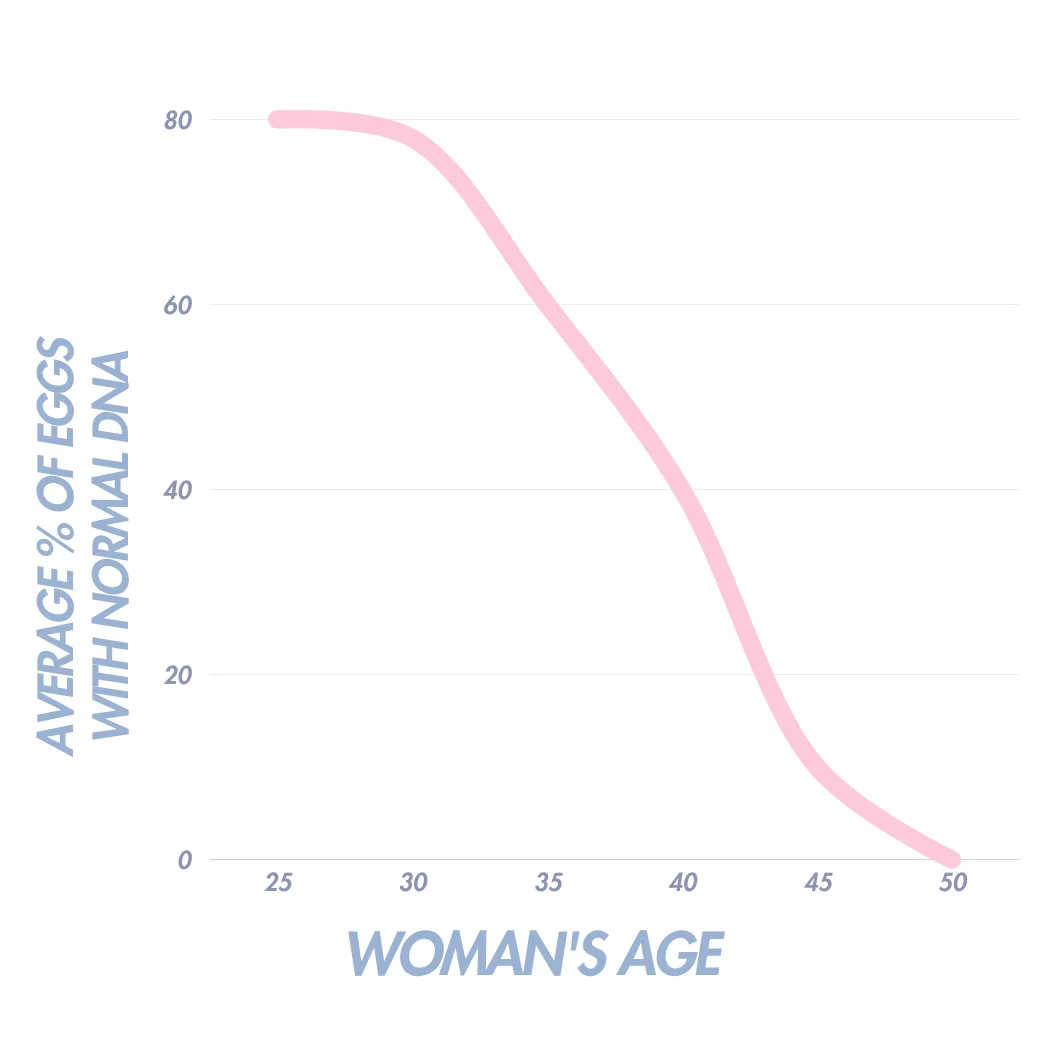
Egg Quality Declines Without the Possibility to Improve It.
With increasing age, the number of genetically healthy eggs declines, from which a woman can conceive and carry a healthy child.
Neither the quality nor the count of eggs can be IMPROVED through exercise, diet or stress reduction.
A Woman Can Be Her Own Donor
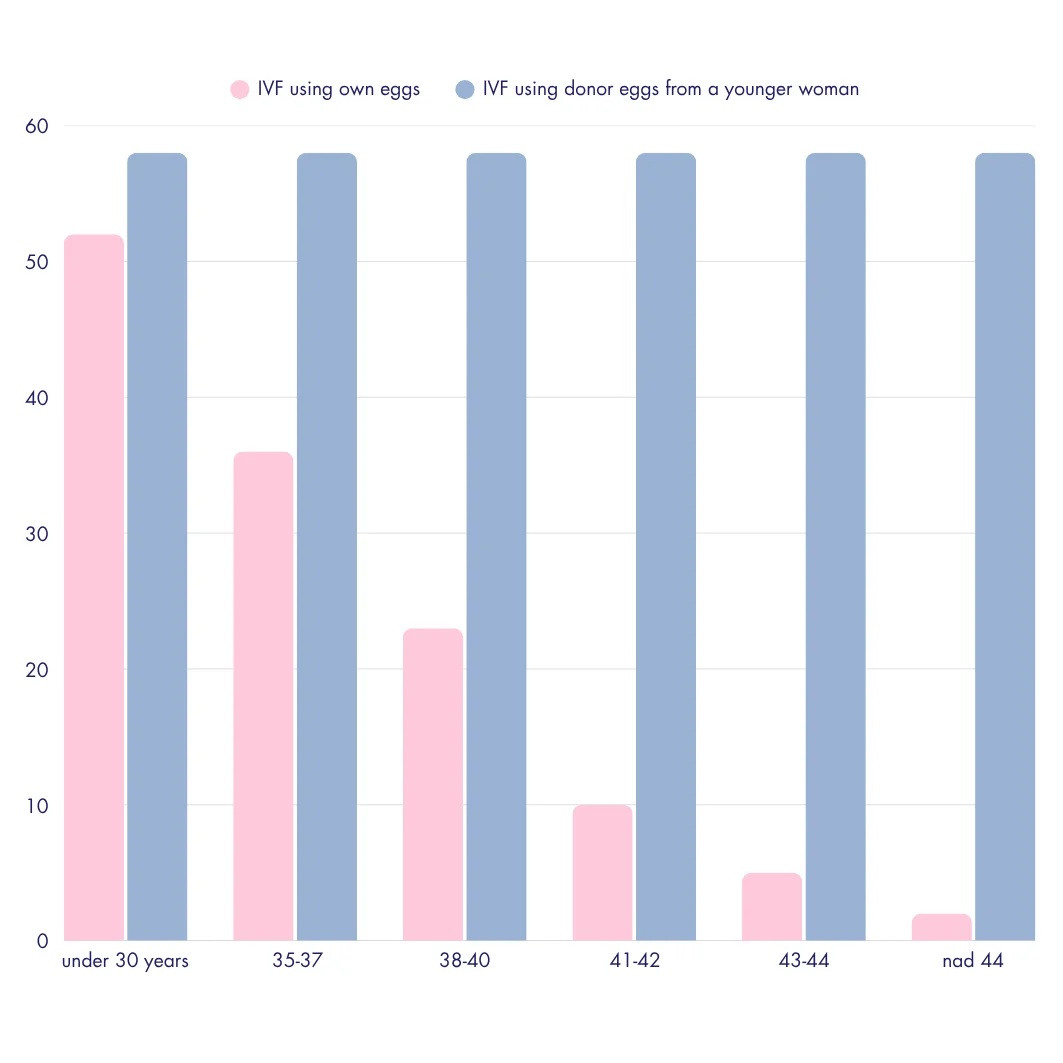
IVF success is strongly influenced by the age of the egg. Egg freezing allows a woman to preserve younger eggs for future use, helping maintain the reproductive potential they had at the time of freezing.
For example, if a woman freezes her eggs at 30 and uses them at 38, the eggs still reflect the biological age at which they were frozen.
While egg quality declines with age, many women can still carry a pregnancy successfully at an older age. Egg freezing can therefore give women the option to use their own younger eggs later in life.