Preconception Genetic Testing
Genetics and Fertility: What Can We Detect?
Genetic examinations play an important role in diagnosing infertility and planning a healthy pregnancy.
They help detect causes of repeated failures, genetic disorders or risks, that could affect the baby's development.
Here are three types of examinations, which can significantly contribute to the success of treatment and prevention.
- Genetic testing of partners
- Preconception genetic testing
- Preimplantation genetic testing
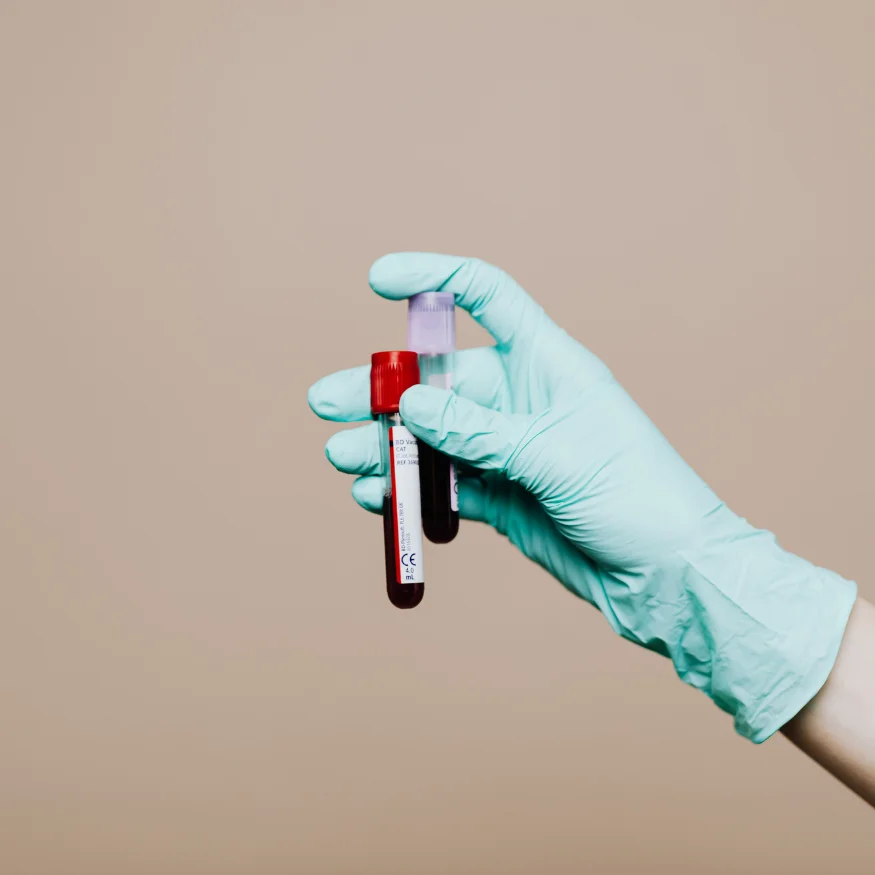
Preconception genetic testing
PANDA (Panel Diagnostic Analysis) is a top-quality genetic blood test designed for couples who are planning a family. It is ideal both for those who want to conceive naturally and for couples using assisted reproduction methods.
PANDA Basic
Tests for the 5 most common rare diseases in our population:
- cystic fibrosis,
- spinal muscular atrophy,
- non-syndromic deafness,
- fragile X syndrome,
- phenylketonuria.
The test also analyzes genetic variants associated with:- fertility disorders and their treatment,
- genetic causes of infertility or embryo development disorders, thrombophilic mutations.
Suitable for:- Couples who want to understand their genetic health and are looking for a basic examination before planning a pregnancy.
- Couples who have problems conceiving or experience recurrent miscarriages.
PANDA Carrier
In addition to cystic fibrosis, spinal muscular atrophy, fragile X syndrome and deafness, it also focuses on disorders of vision, hearing, musculoskeletal system and skin.
According to the recommendations of the American College of Medical Genetics (ACMG), such a test should be offered to all women and couples planning a child.
Suitable for:
- Couples who want to gain a comprehensive overview of their genetic health.
- Couples with a history of genetic diseases in the family.
- Anyone planning parenthood.
How does the sample collection work?
- A blood draw is sufficient to perform the test. The sample is then sent to the laboratory.
- In the laboratory, DNA is isolated from the sample, which is then analyzed by specialists in a molecular genetics laboratory. The data is then processed using bioinformatics.
- The examination concludes with a comparison of your mutated genes and determination of the genetic compatibility of the couple - this provides important information about the health of your future child.
- Complete PANDA test results including a description of detected mutations will be delivered to you within 4-5 weeks from sample collection. Following the results, a consultation with a clinical geneticist takes place, where any findings and risks are discussed in detail.
Do I need to fast before the blood draw? Does it hurt?
It is a standard blood draw and requires no special preparation. You do not need to fast — you can eat and drink as usual beforehand.
The blood draw takes only a few minutes and is performed by an experienced healthcare professional.
What is the result of the examination?
The result is a clear genetic report that contains:
- Partner compatibility - whether both of you carry the gene for the same serious hereditary disease.
- Risk of transmitting genetic diseases - enables better planning and prevention.
- Recommendations for further steps.
- The test also helps clarify why conception is unsuccessful, why recurrent miscarriages occur, or why embryo development fails (e.g. during IVF).
- The examination can significantly increase the chance of a successful pregnancy.