Semen Analysis Results
Sperm Analysis - Explanation of Results and Our Recommendations
The WHO (World Health Organization) has published a series of guidelines regarding sperm parameters that should be examined.
- If your sperm analysis results reach the reference values listed below, your results are within the normal range. This is known as NORMOZOOSPERMIA.
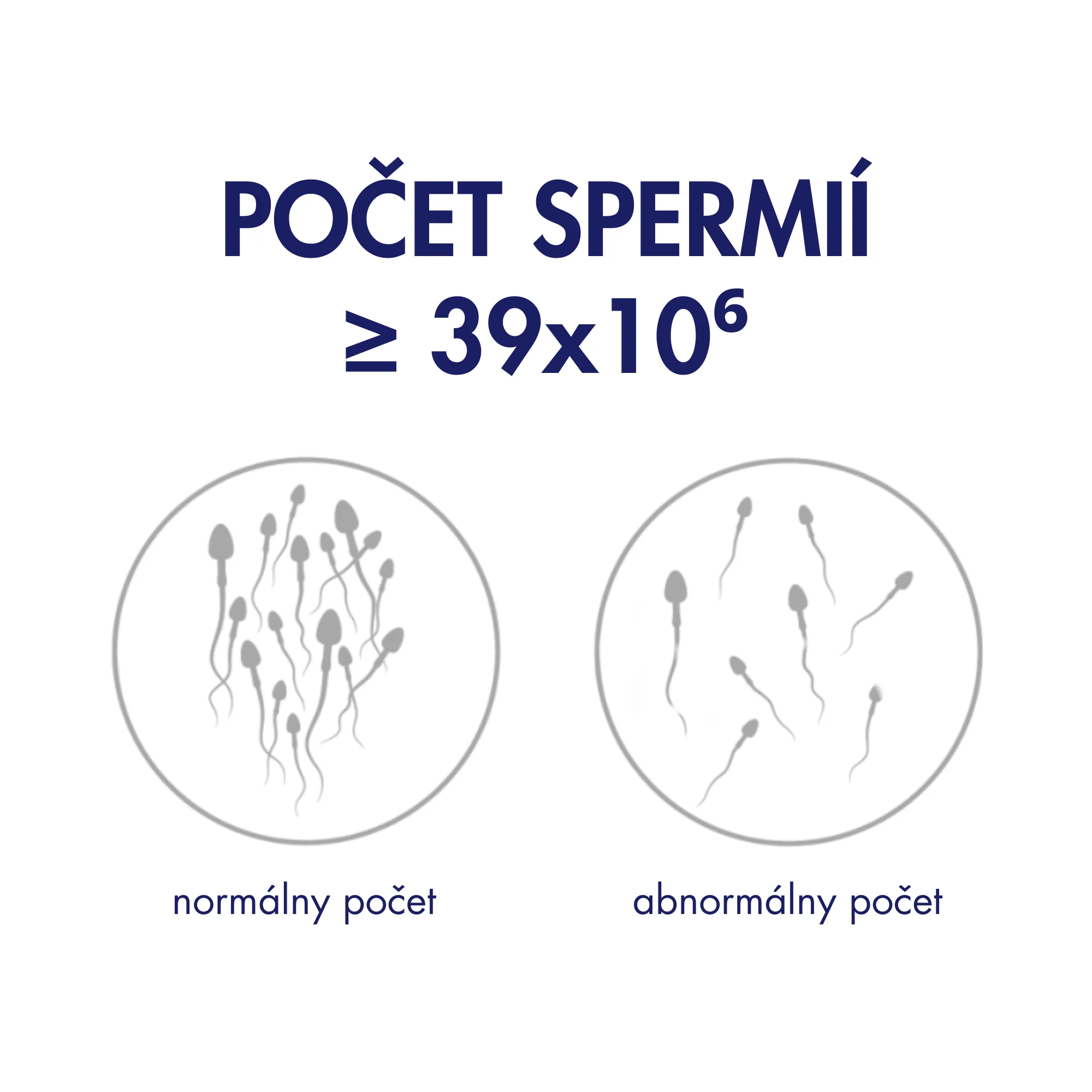 OLIGOZOOSPERMIA
Low sperm count in the ejaculate.
Total sperm count should be higher than or
equal to 39 million per ejaculate sample.
If your value in the "Total sperm count" section is higher than or equal to 39, your result is within the normal range.
 ASTHENOZOOSPERMIA
Reduced sperm motility.
More than 40% of sperm should be motile and more than 32% should have progressive motility (straight-line and rapid movement).
If your value in the "Proportion of motile sperm" section is higher than or equal to 40 and in the "Motility" section is higher than 32, your result is within the normal range.
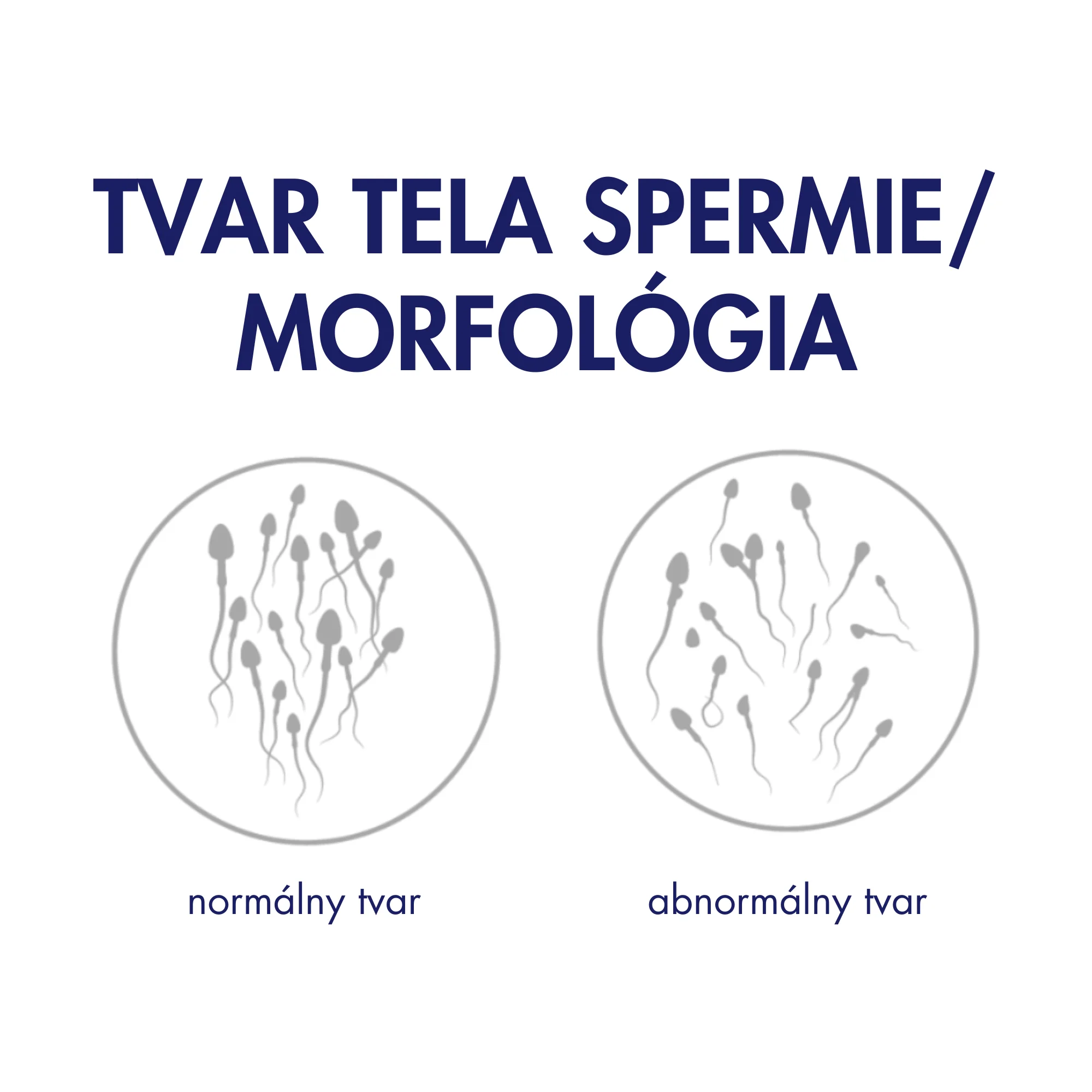 TERATOZOOSPERMIA
Low count of normally shaped sperm.
We evaluate the shape of the head, mid-piece, and tail of the sperm. Normal shape of all parts should be present in at least 4% of sperm.
If your value in the "% of sperm with normal morphology" section is 4 or more, your result is within the normal range.

Azoospermia
Absence of sperm in the ejaculate

Necrozoospermia
Only immotile sperm are present in the ejaculate
Leukocytozoospermia
Leukocytes are present in the ejaculate
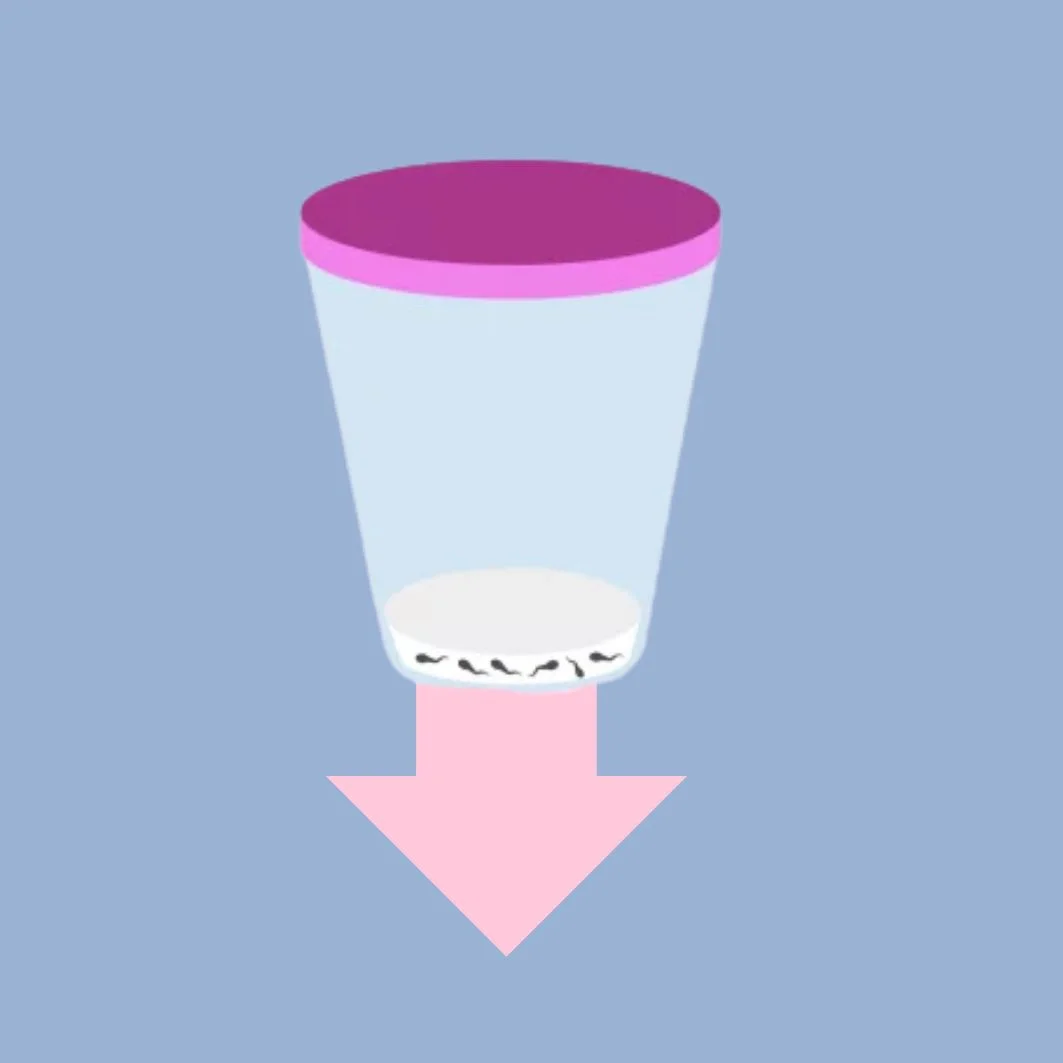
Hypospermia
Low ejaculate volume - below 1.5 ml
Recommendations for improving sperm analysis results
To improve sperm analysis results, we recommend taking dietary supplements. For example Ferti Duo or Folandrol + Zinkorot and others.
These supplements contain vitamins and antioxidants: zinc, selenium, folic acid, coenzyme Q10, arginine, carnitine, vitamin A, C, E, and B12.
Why consider an additional oxidative stress examination?
- Before starting treatment with dietary supplements, we recommend an antioxidative stress examination
- Based on this examination, we can individually determine the appropriate course of treatment
- Excessive or incorrect use of dietary supplements can actually reduce fertility in men

Based on your results, we recommend
- Limit exposure to risk factors: stress, poor dietary habits, overheating of the testicles, unsafe chemical substances
- Reduce alcohol intake and eliminate (limit) smoking
- Oxidative stress examination
- Sperm freezing
- Improve your lifestyle: exercise is beneficial (except for excessive cycling), but it is important not to overload the body with excessive training. Allow yourself to relax, limit caffeine to small amounts, and occasionally take a lukewarm shower.
- Urological examination
- Follow-up sperm analysis one month after lifestyle changes
- Genetic examination
If you have been trying for more than 1 year (or half a year if you are over 35)
We recommend speaking with a specialist in reproductive medicine. Consultations at our center are free and non-binding, and you can come in person or stay in the comfort of your home.
Book an appointmentANSWERS TO FREQUENTLY ASKED QUESTIONS
What does a low sperm count mean?
A low sperm count means that you have fewer sperm in the ejaculate than is typical, which can affect your ability to fertilize an egg.
What if my sperm are immotile?
Immotile sperm have a reduced ability to reach and fertilize an egg, which can lower the chances of pregnancy.
How does sperm morphology (shape) affect fertility?
Sperm with an abnormal shape may have problems with fertilizing the egg, even when their count and motility are normal.
What can I do if I have poor sperm analysis results?
There are several options to improve sperm quality, including lifestyle changes, treatment, and dietary supplements. Check our recommendations and book a consultation with a specialist.
Can a sperm analysis help diagnose the causes of infertility?
Yes, the sperm analysis is a key tool in diagnosing male infertility and can provide important information about possible causes and treatment options.