Embryo and Oocyte Freezing
Embryo and Oocyte (Egg) Freezing
Embryo and oocyte freezing is a common and very effective part of infertility treatment.
It is performed when it is not suitable to transfer the embryo immediately into the uterus – for example due to the patient's health condition, the need for further treatment, or if we have more embryos available than can be transferred in one cycle.
It is also possible to freeze oocytes (eggs) before fertilization – for example due to postponement of motherhood, oncological treatment or as a form of preventing fertility decline with age.
Age and Fertility
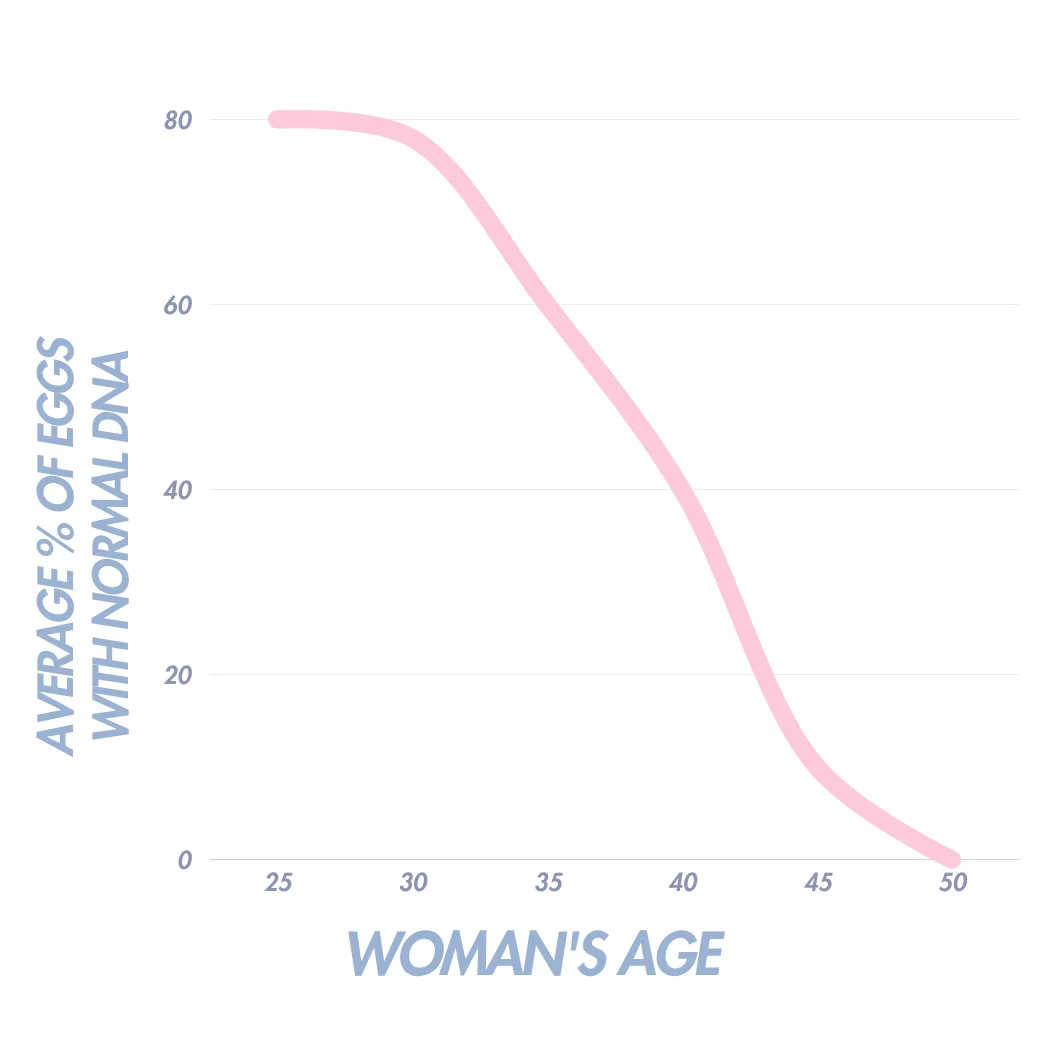
With advancing age, egg quality declines, but thanks to frozen eggs from a younger age, the patient can have the same chance of conceiving a child from such eggs many years later.
Embryos can be frozen for a long period and their quality is determined by the quality of eggs and sperm on the day of retrieval. The quality of frozen embryos does not decline, but the quality of eggs and sperm declines with age, therefore it is better to consider freezing and storage.
Embryo Freezing
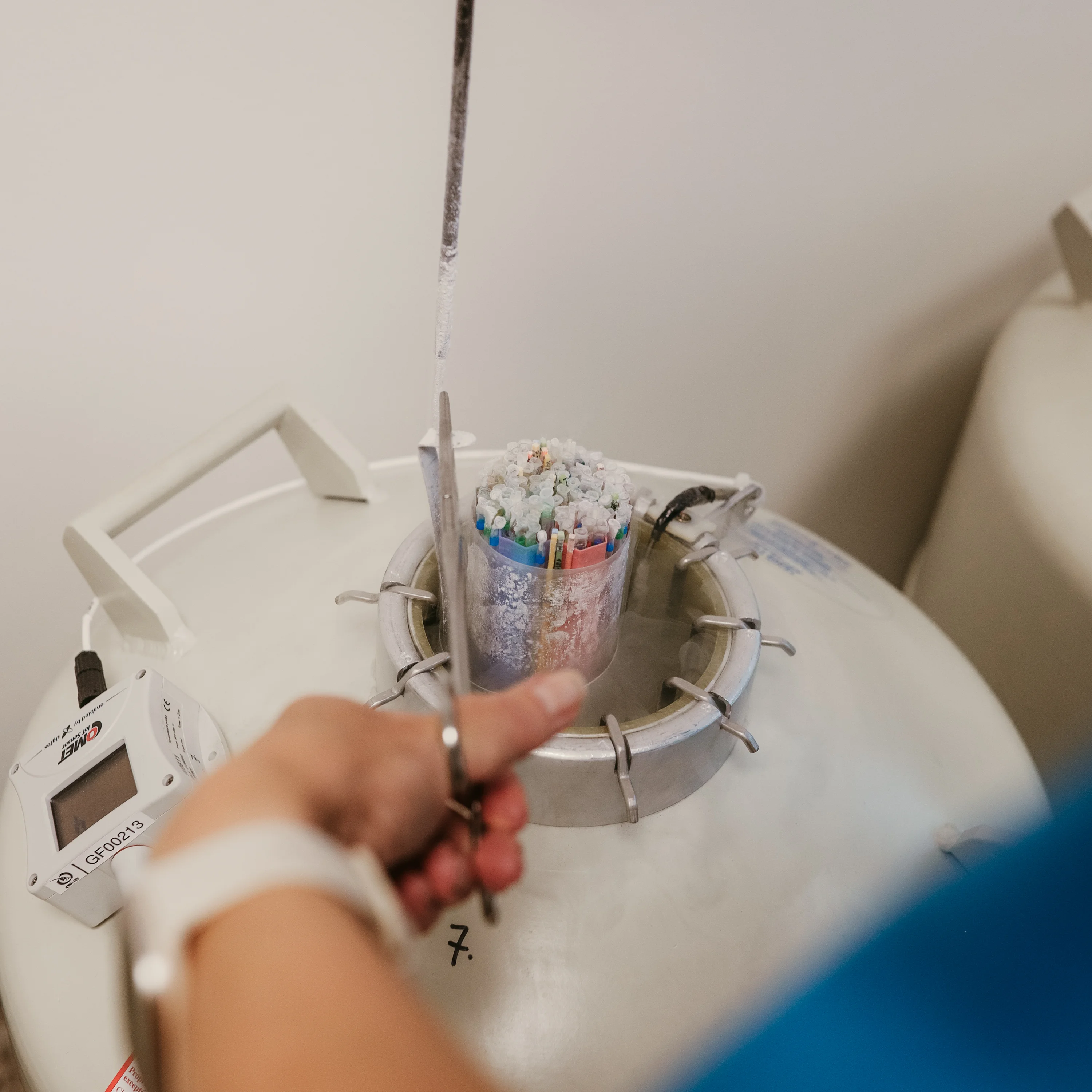
Embryo freezing takes place through the vitrification process – an ultra-fast method during which embryos are submerged in liquid nitrogen and stored at a temperature of -196 °C.
Embryos are frozen into straws called paillettes, in which a maximum of 2 embryos can be stored. Therefore, it is important to consult how we freeze embryos.
If 2 embryos are frozen in one paillette, they must also be thawed together.
If embryos will be transferred one at a time, we recommend freezing them separately.
There is always the option of re-freezing an embryo, although this may reduce the survival rate of such embryos in the future.
Oocyte (Egg) Freezing
Oocytes (eggs) are frozen through the vitrification process, when they are ultra-rapidly frozen, submerged in liquid nitrogen and stored at a temperature of -196°C.
Thanks to this method, egg quality does not decline over time and they can be stored for many years without affecting the decline of their quality.
Thanks to frozen eggs from a younger age, the patient can have the same chance of conceiving a child from such eggs many years later.
It is a preventive and safe solution that gives women more time and freedom in deciding about motherhood.