Methods to Increase Success
Methods to Increase Success Rate
In addition to fertilization itself, successful pregnancy also depends on embryo implantation in the uterus.
In some cases, this process can be more challenging, and therefore supplementary methods exist that increase the chance of successful implantation.
They are used especially during repeated unsuccessful transfers and help create ideal conditions for the beginning of pregnancy.
Assisted zona hatching
Each embryo is located in a protective shell called Pellucida. In order for the embryo to be able to implant in the uterus, it needs to escape from this shell, and this process is called Hatching.
Natural hatching is sometimes visible in the embryo already during cultivation, on day 5 or 6, before its transfer or freezing.
However, natural hatching can be problematic, resulting in failure of embryo implantation in the uterus.
Assisted zona hatching is a technique that helps with embryo implantation.
How does assisted zona hatching work?
A thin laser beam creates a small opening in the embryo shell, making it easier for the embryo to leave this shell so that it can properly implant in the uterus.
When is this method recommended?
It is a supplementary laboratory method that is recommended during repeated unsuccessful transfers.
EmbryoGlue
EmbryoGlue (embryo implantation support) is a special transfer medium in which the embryo is transferred into the patient's uterus. The use of the EmbryoGlue method is safe and does not cause any adverse effects.
Contains:
- amino acids
- saccharides
- additional substances that simulate the environment in the uterus and help the embryo acclimatize during the transition from cultivation conditions to the natural environment of the uterus.
- a higher concentration of hyaluronan - this medium is therefore denser and prevents further movement in the uterus after transfer, thus increasing the probability of proper embryo implantation.
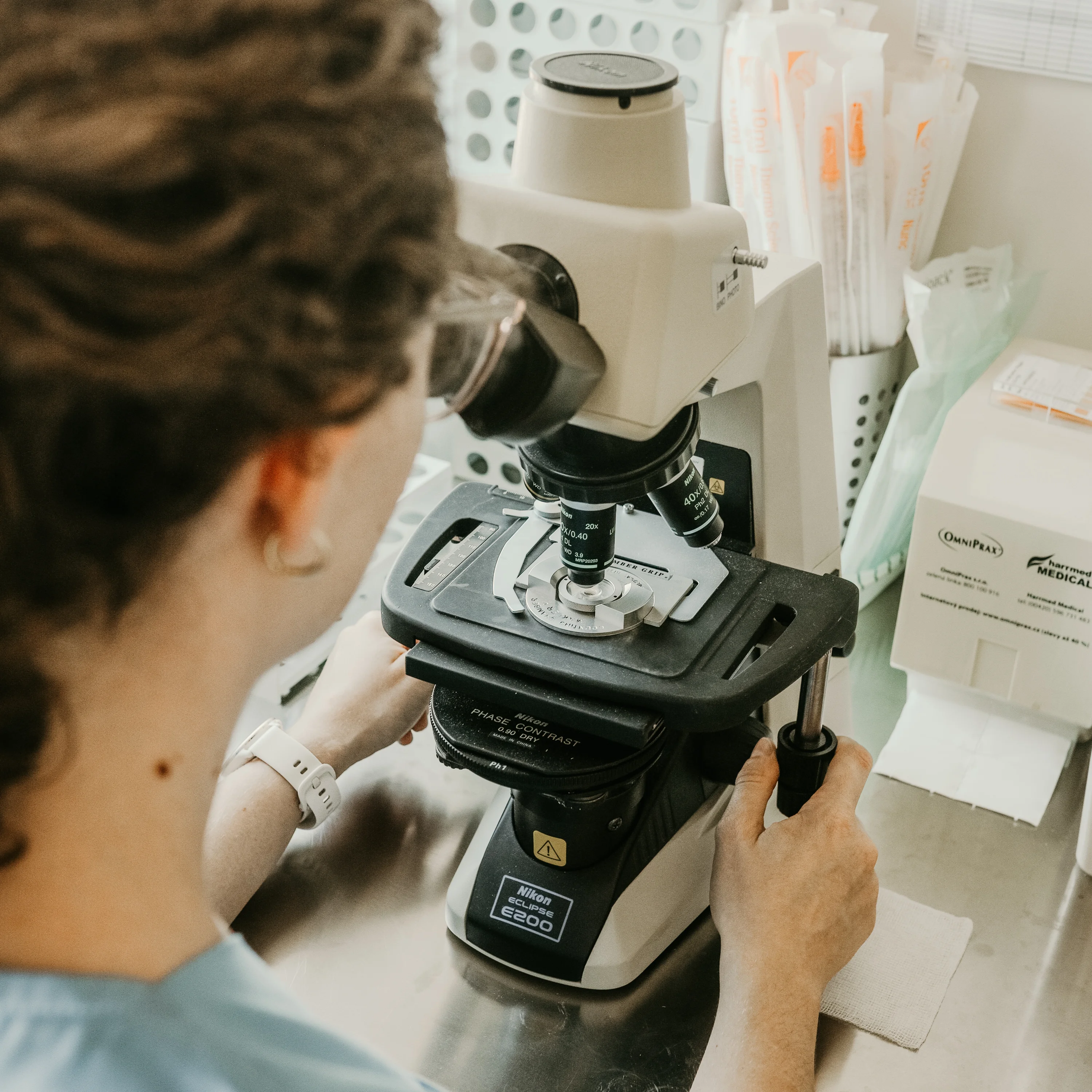
Meiotic Spindle Visualization - Oosight
At GYN-FIV we continuously monitor the latest technologies that increase the chances of successful fertilization. A new addition to our embryological laboratory is the Oosight device, which enables visualization of the meiotic spindle in the egg –
a structure important for proper chromosome division.
If the meiotic spindle is absent or damaged, it can reduce the probability of successful fertilization or affect the quality of the resulting embryo.
Thanks to this technology, we can approach each oocyte individually and choose the optimal procedure, which increases the chance of a healthy embryo.